
Planning an event—whether a corporate conference, symposium, or private gathering—requires attention to countless details. One of the areas that often trips up hosts? Event rentals. From tables and chairs to stages and décor, getting rentals right can make or break the flow, functionality, and aesthetic of your event.
In this guide, we’ll cover the top rental challenges, highlight creative solutions, and show how working with an event management retainer can simplify the process—especially if you’re planning multiple events in a year.
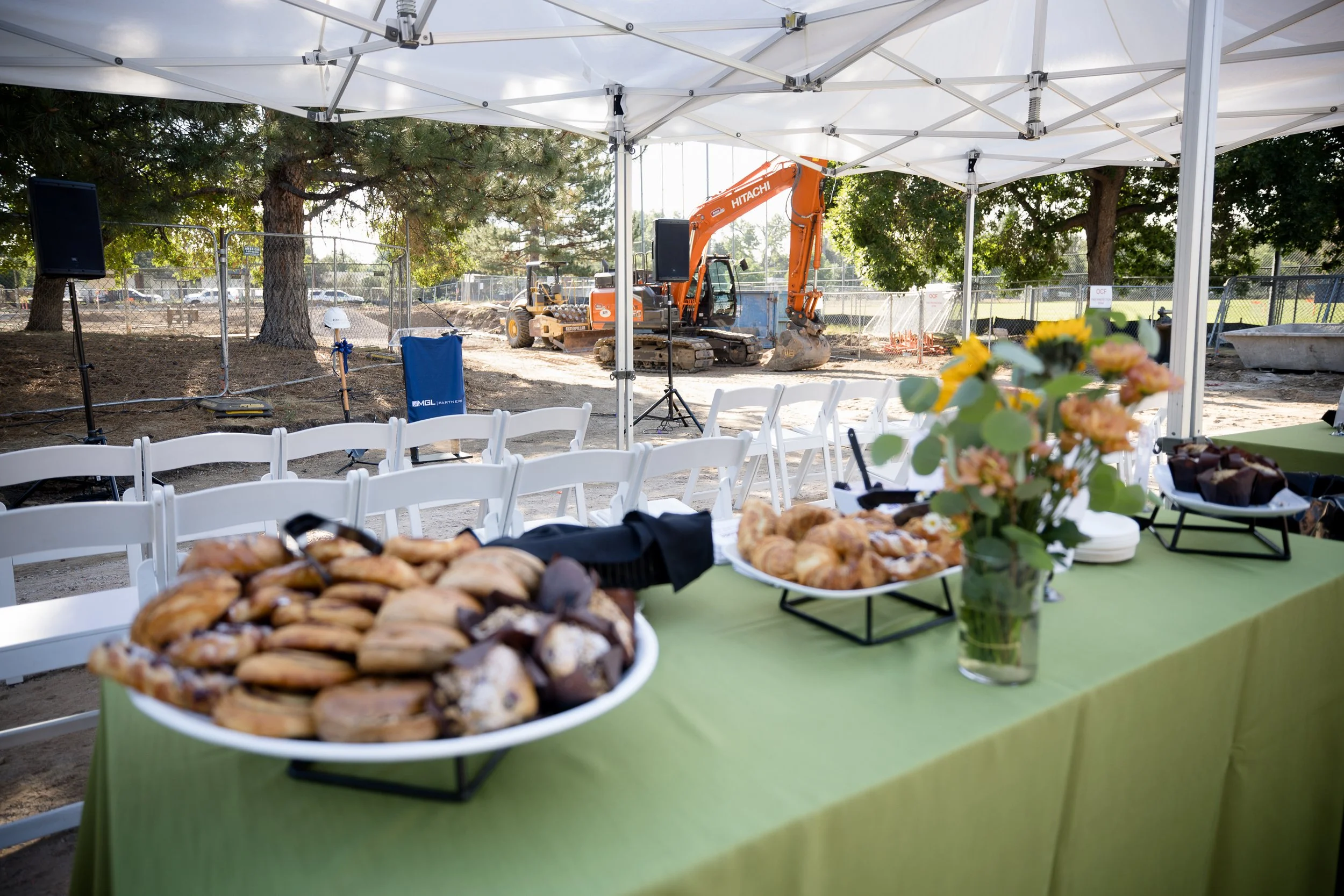
Sarine Planning event photo by Sara Hertwig
1. Top Challenges Clients Face When Sourcing Rentals
Many clients struggle with:
Quantities and placement: Not knowing how many of a specific item to bring in or where it should go in the space.
Venue inclusions: Forgetting what the venue already provides versus what needs to be rented.
Operational necessities: Overlooking basics like trash cans, especially in office or multifunction spaces.
These challenges can turn a smooth event into a stressful scramble—but having an experienced planner on your team ensures nothing is missed.
2. Rentals That Are Often Overlooked
Some seemingly minor items can have a big impact:
Small stages or platforms: Essential for conferences or panel discussions to elevate speakers above the audience.
Decorative touches: Specialty lighting, signage, or linens that enhance both aesthetics and functionality.
Thoughtful rentals elevate the guest experience and make your event truly memorable.
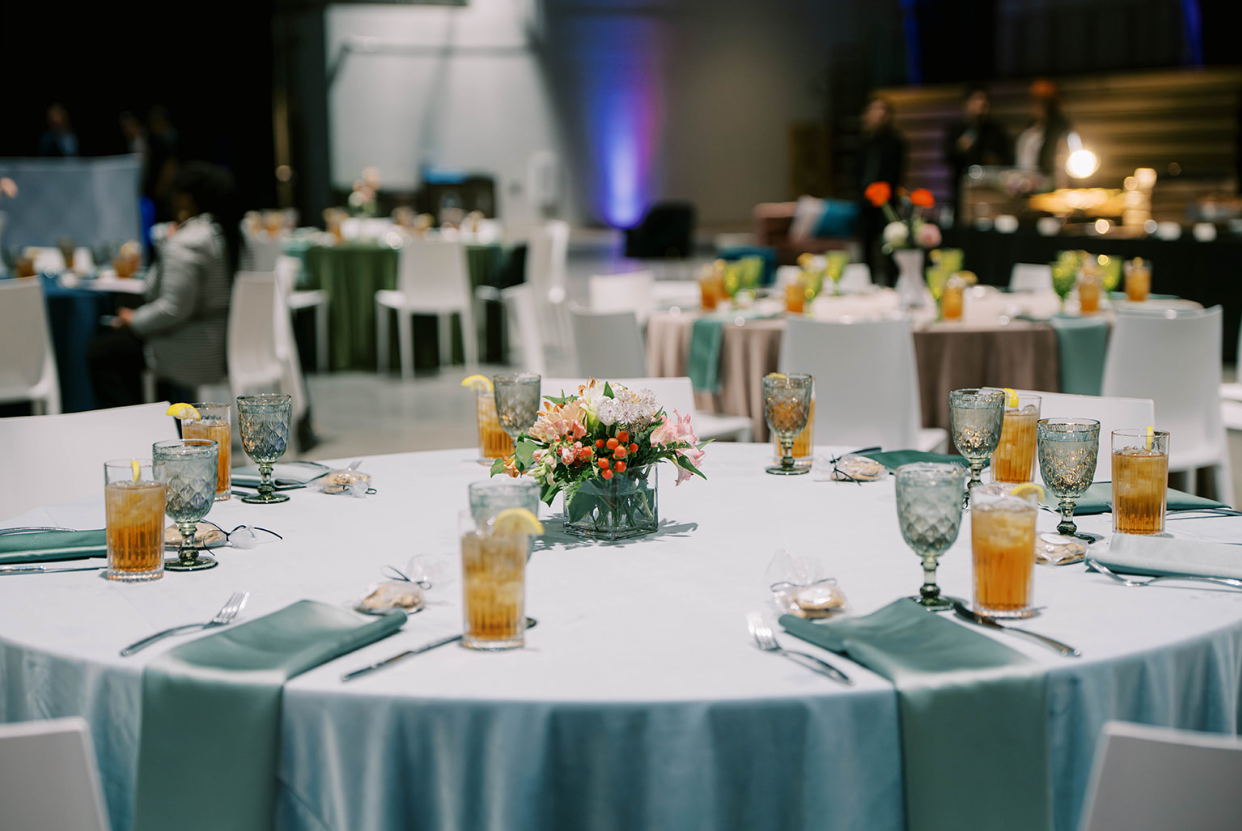
Sarine Planning supported event photo provided by VenuHub
3. Splurge vs. Save
Deciding where to invest in rentals comes down to functionality + visual impact:
Must-haves (save here if needed): Tables, chairs, linens—basics that ensure smooth operations.
Visual enhancements (splurge strategically): Lighting, elevated stages, and décor pieces that align with your theme and create a lasting impression.
A planner can guide you on prioritizing rentals to stay on budget while maximizing impact.
4. Aesthetic & Functional Rentals
Success lies in balancing functionality and style. I begin by working with clients to define their budget and overall spend, which allows us to:
Categorize operational vs. aesthetic needs.
Decide where adjustments are necessary and where we can add extra “wow” rentals.
Set clear expectations about market rates, labor, and delivery.
Example: Last fall, I transformed an open patio into a branded event space for a client’s 20th anniversary, hosting 150 guests. With the support of Classic Party Rentals of Virginia, we overcame three days of heavy rain to deliver a seamless, beautiful experience—proving the power of creative rental choices and proactive planning.
Coordination Tip: I maintain constant communication with vendors, venues, and teams, updating timelines early and often to prevent misunderstandings. Every contributor has the tools to succeed, ensuring a flawless setup.
2026 Trends: Drapery, custom backdrops, elevated linens, and enhanced table settings are rising in popularity. Small details—like unique flatware, napkin rings, and centerpieces—can make a big impression and tie branding into the physical event space.
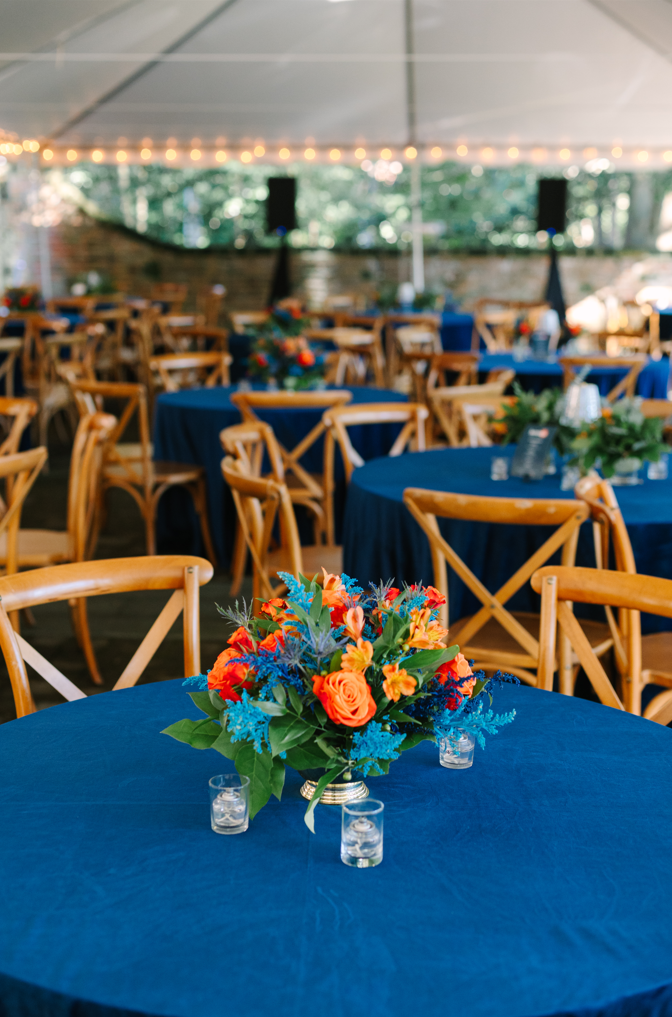
Sarine Planning event photo by Stephanie Jenkins Photography
5. How a Retainer Simplifies Multi-Event Rentals
Rentals are easy to overlook, especially when clients are focused on branding, invites, and the attendee experience. With an event management retainer, I:
Manage rentals across multiple events for consistent branding and aesthetics.
Learn from each event to improve the next, creating a seamless through line across events.
Use vendor relationships to potentially secure better pricing and priority service.
6. Time-Saving Benefits for Clients
Handling rentals can be tedious and detail-heavy. With a retainer, I:
Review rental agreements to ensure all items, setup timing, labor, and quantities are correct.
Coordinate with vendors directly so clients don’t have to.
Problem-solve last-minute issues and provide Plan B solutions if needed.
This saves clients hours of back-and-forth and reduces stress, allowing them to focus on their event’s core goals.

Sarine Planning event photo by The Unfound Door
7. Avoiding Rental Headaches
Long-term oversight prevents:
Inventory or delivery issues.
Miscommunications about setup, breakdown, or special items.
Inconsistent quality across multiple events or locations.
Even when hosting events in multiple states, I ensure consistency and quality by using trusted vendors whenever possible and thoroughly researching comparable options elsewhere.
8. Tips for Working With Rental Companies
Ask the Right Questions:
Discuss your vision, logistics, and desired outcomes.
Confirm that available items will support your plan.
Be transparent about your expectations and budget—good rental companies will advise you if certain items are unavailable or unsuitable.
Secure Rentals Early:
Start discussions after booking your venue.
Rentals are limited, and peak seasons can fill up quickly.
Early planning ensures inventory availability and helps set your budget.
Handle Last-Minute Changes Gracefully:
Keep a clear head and verify deliveries against your order.
Address discrepancies respectfully with the rental team or your event manager.
Having a retainer in place ensures someone is there to advocate for your needs and troubleshoot issues immediately.

My closing thoughts…
Rentals are more than just tables and chairs—they’re a critical piece of creating a seamless, memorable event experience. From planning early and asking the right questions to leveraging an event management retainer, thoughtful rental management ensures your event is functional, beautiful, and stress-free.
If you’re planning multiple events or want a trusted partner to manage rentals from start to finish, reach out today to see how our event management retainer can elevate every experience you host.
-Samantha Sarine
