How We Built the Amigas Cycle Conference: Behind the Scenes of Planning a Women’s Health Conference in Denver
What does it take to build a one-day women’s health conference from a different city than the one where your community began? A lot of planning, a lot of trust, and a really incredible group of people.
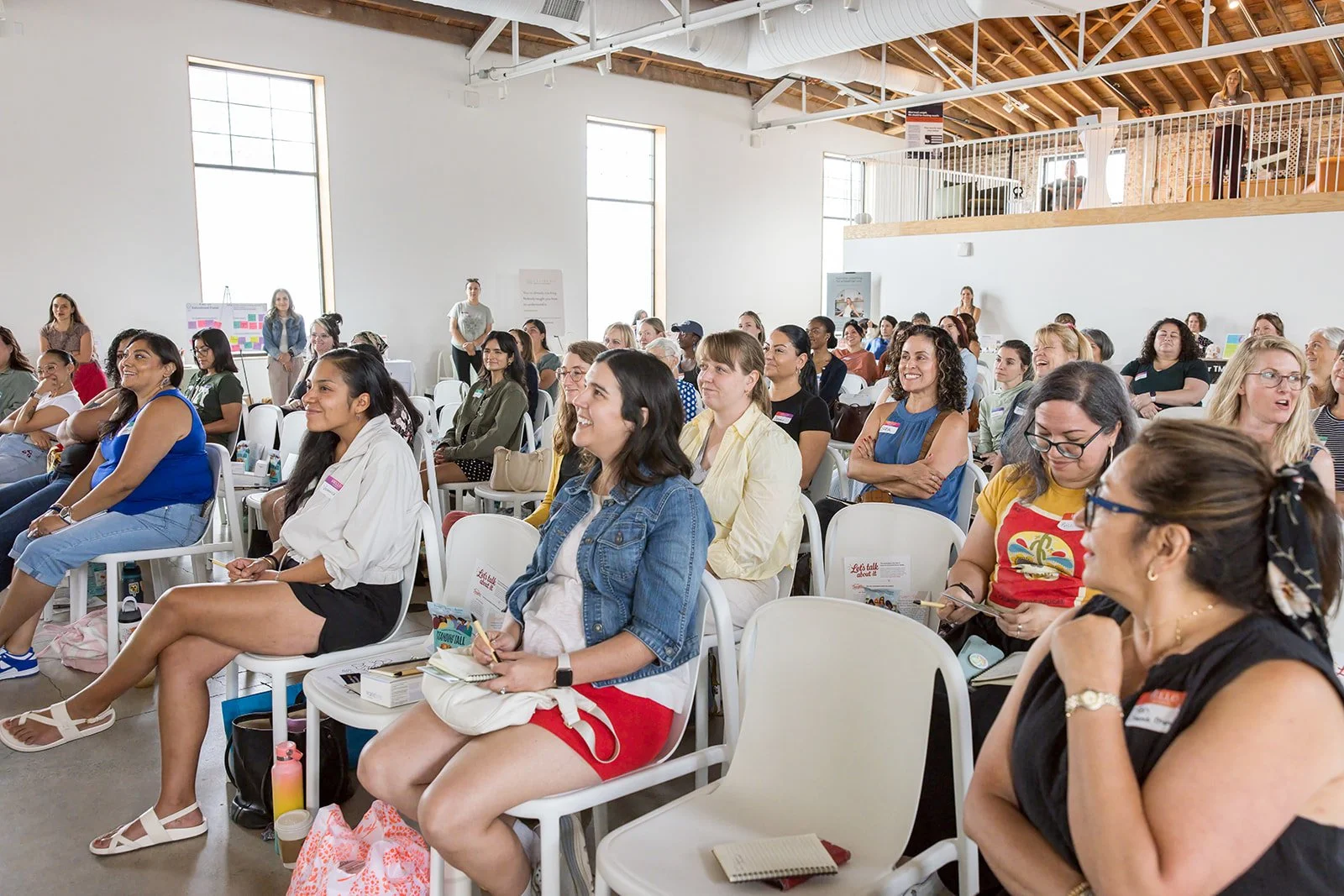
On August 9, 2026, 120 people gathered in Denver for the inaugural Amigas Cycle Conference, a one-day experience created to open up more honest, accessible conversations around women's health.
The conference explored the menstrual cycle, fertility, postpartum and early motherhood, perimenopause, and menopause—bringing together health professionals, educators, practitioners, local businesses, and community members for a day centered around one big idea:
The more we understand our bodies, the better we can advocate for ourselves.
But the conference itself was only one part of the story.
The other story is how we built it.
Because while Amigas Means Friends began in Denver, I was planning this conference from New York City.
And that made this event a particularly meaningful one for me. Not only as the founder of Amigas Means Friends, but as an event planner and producer who knows that the work behind a successful event often starts long before anyone walks through the doors.
This is the beginning of a behind-the-scenes series about exactly how we did it.
Sarine Planning at Dry Clean Only photo by Brooke Cerny, Magnolia Pine Studios
Why We Created the Amigas Cycle Conference
Amigas Means Friends was created around a simple belief: Women need spaces to meet one another, build relationships, share resources, ask questions, and learn from people who have walked different paths.
As we built the this community, conversations around women's health kept coming up.
Menstrual pain. Hormones. Fertility. Pregnancy. Postpartum. Pelvic health. Perimenopause. Menopause.
And all of the questions that come with them.
Often times, these experiences are treated as individual or isolated issues. We wanted to create a space that looked at the bigger picture.
The Amigas Cycle Conference was designed to bring different experts and stages of the women's health journey into the same room.
Not to tell women what their experience should look like, but to give them more information, more resources, and more people to turn to when they have questions.
Photo of mothers and daughters by Brooke Cerny, Magnolia Pine Studios
Why Denver?
Denver is where AMF began.
It is where our first events happened, where many of our earliest relationships were built, and where this community first took shape.
But by the time we began planning the Amigas Cycle Conference, I was living in New York City.
That created a unique challenge: How do you continue building something in a city you're no longer physically living in?
The answer was people.
It meant leaning into the relationships that had already been built. It meant trusting local partners and vendors. It meant creating systems that could keep things moving when I couldn't physically be in the room. And it meant being intentional about what needed to be handled remotely and what needed local support.
Planning an event from another city reinforced something I already knew about event production:
You cannot build a great event alone.
You build it through relationships, communication, systems, and trust.
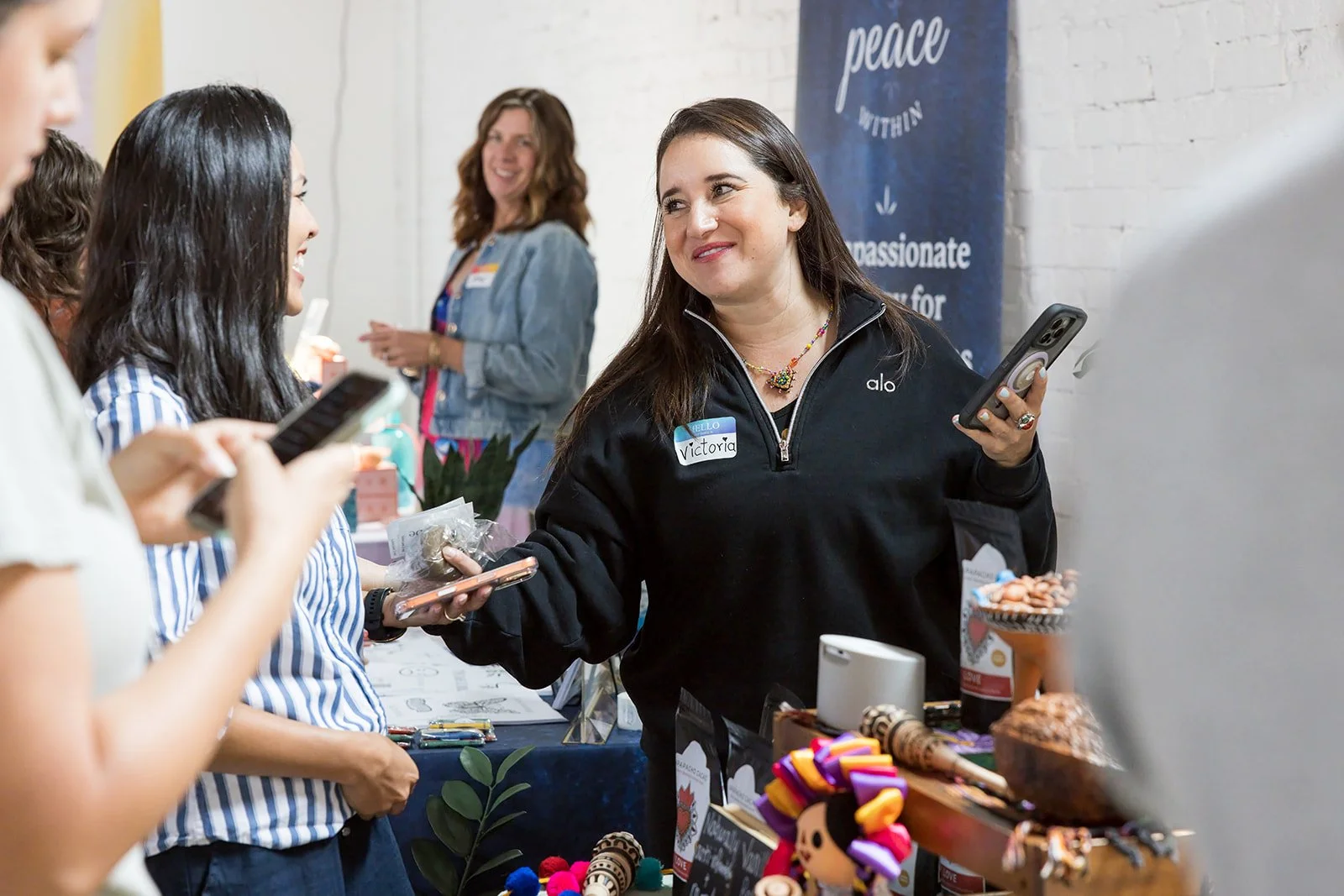
Victoria Garcia of Apapacho Cacao photo by Magnolia Pine Studios
What Did the Conference Actually Look Like?
The Cycle Conference was designed to feel like more than a series of panels.Throughout the day, attendees had opportunities to learn from experts, ask questions, connect with other women, explore local businesses, and experience different forms of education and movement.The programming centered around three major conversations:
From Pain to Understanding: Rethinking the Menstrual Cycle
We brought together:
Amelia May — Sonder PT
Lizbeth Santana — Bonded Cycles
Katlyn Tekoppel — The Wellness Lab
Margo Harrison — WaveBye
This conversation looked at the menstrual cycle through multiple perspectives, including movement, pelvic health, nutrition, and cycle education.
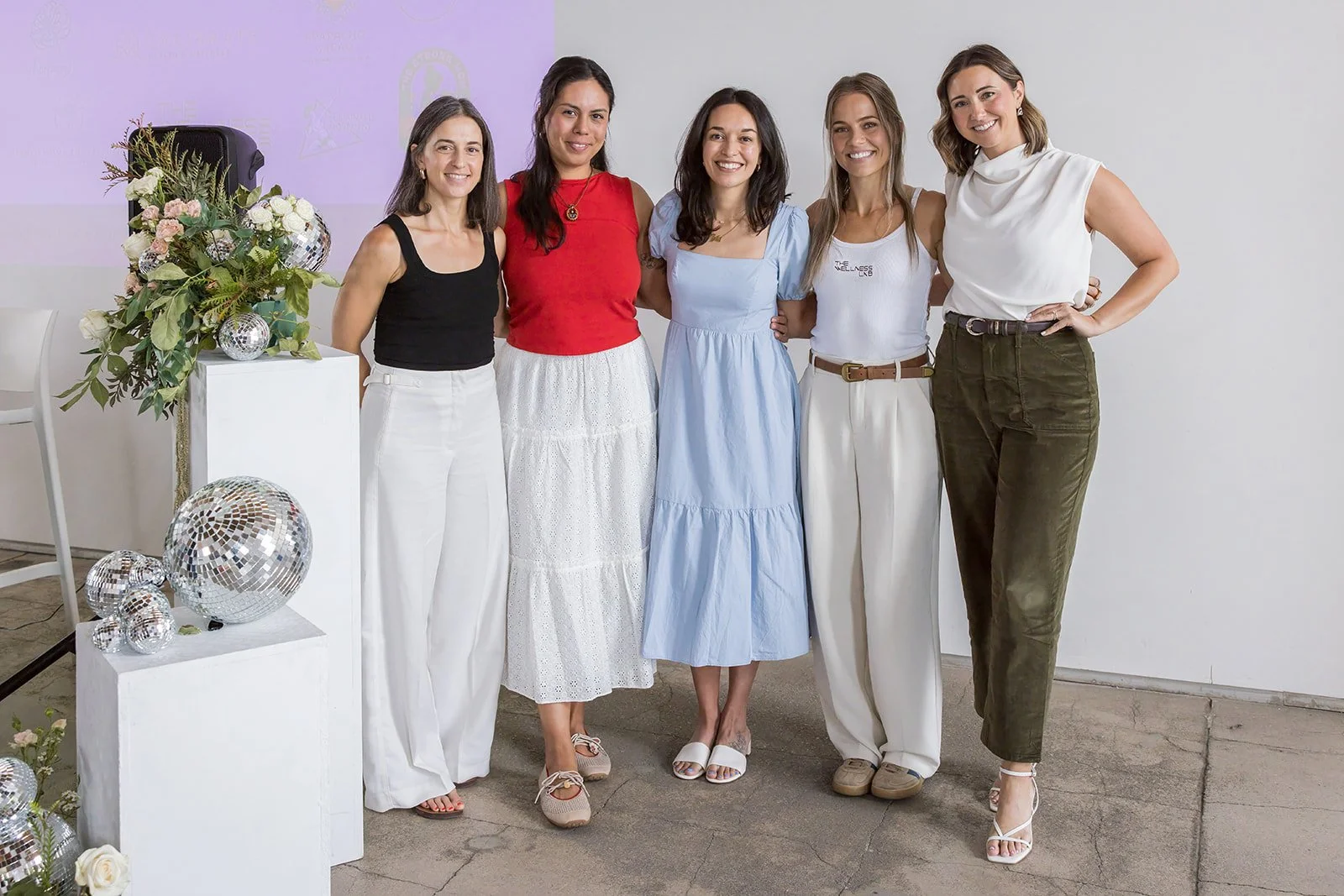
Panel 1 photo by Magnolia Pine Studios
Fertility, Postpartum & Early Motherhood Transition
We welcomed:
Christine Van Anderson — The Strong Mom Collective
Kathleen Kennedy — Denver Share
Erika Perez — Sacred Womb Therapeutics
Lauren Mallers — Calibrate Health & Wellness
This panel explored the physical, emotional, and identity shifts that can happen through fertility, pregnancy, postpartum, and early motherhood.
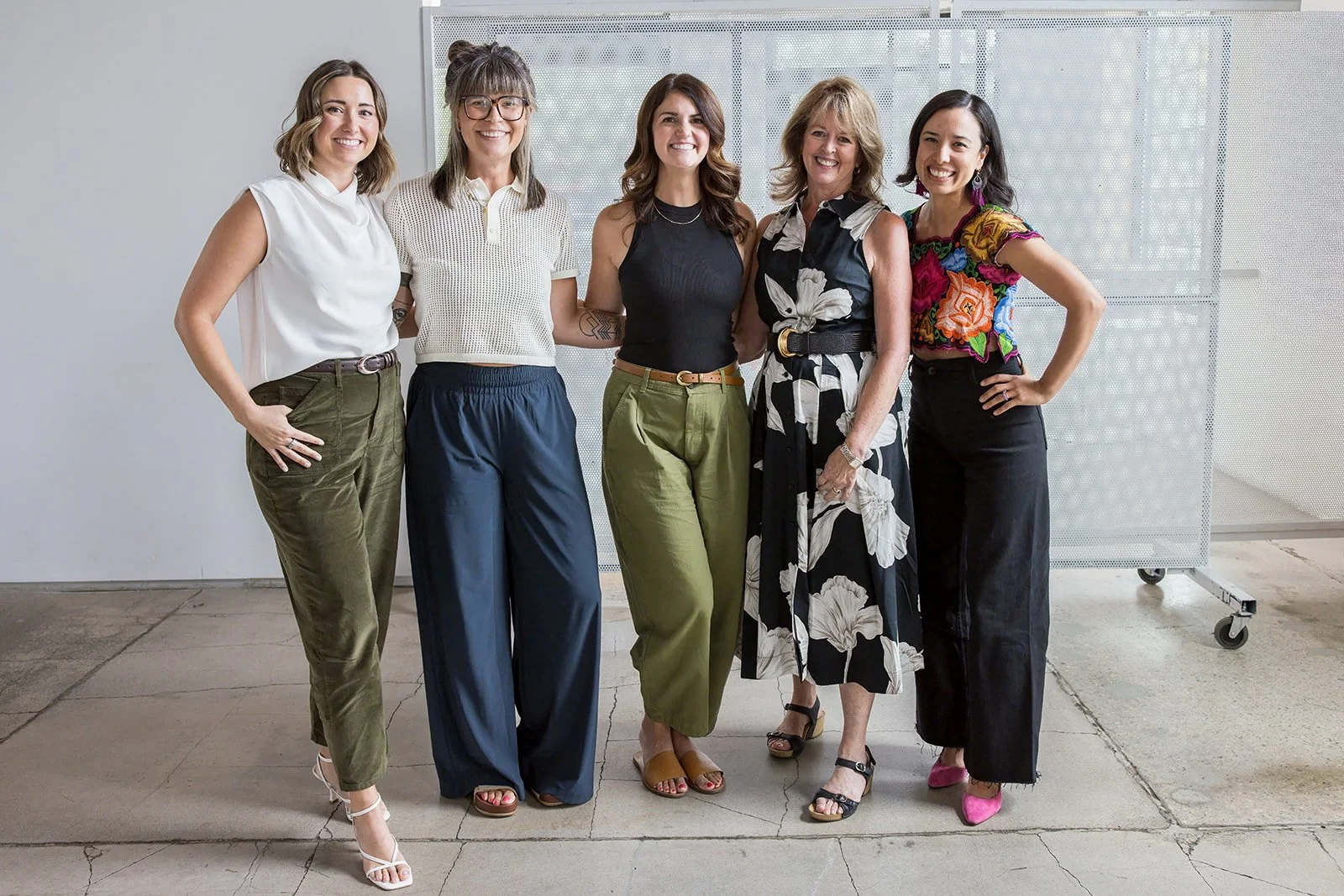
Panel 2 photo by Magnolia Pine Studios
Perimenopause & Menopause: Rewriting the Narrative of Midlife
And we brought together:
Marci Perry — Sustainable Movement
Ilene Gold — Discover Peace Within
Jen Wu — Harpeony
Chrissy Chard — Courageous Parents
Suzanne Greiner — The Peri/Menopause Nurse
This conversation focused on changing the way we talk about perimenopause and menopause and giving women more information and support as they navigate midlife.
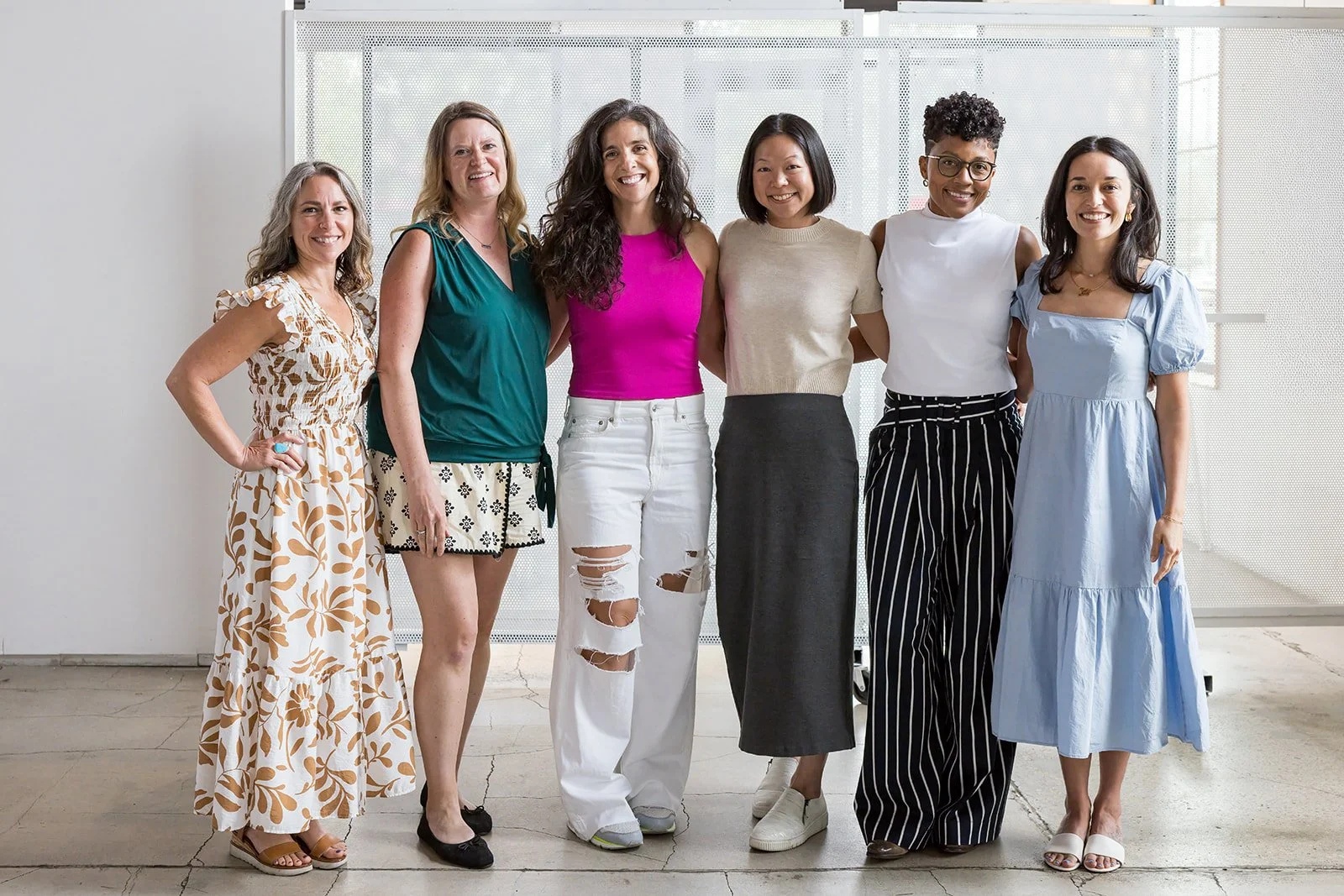
Panel 3 photo by Magnolia Pine Studios
The Community Behind the Conference
The speakers were a huge part of the day, but they weren't the only people who made it happen.
We also created a marketplace that gave attendees an opportunity to discover local businesses and practitioners doing meaningful work in the community.
A huge thank you to:
TMJology by Jessica Cordell
Apapacho Cacao by Victoria Garcia
Well Fed Mama Method by Mackenzie Momper
Peace of Mind Pilates by Marisa Oldefest
Oboo by Amy St. Germain
Everbee by Amelia Fries
La Luna Florals & Colorado Party Rentals for their in-kind sponsorship
And a special thank you to our raffle partners
And to Sonder Pelvic Therapy & Wellness for supporting the conference as our presenting sponsor and helping us bring more movement and pelvic health education into the experience.
Every person and organization involved contributed something different.
That's what made the day feel like a community—not simply a conference.
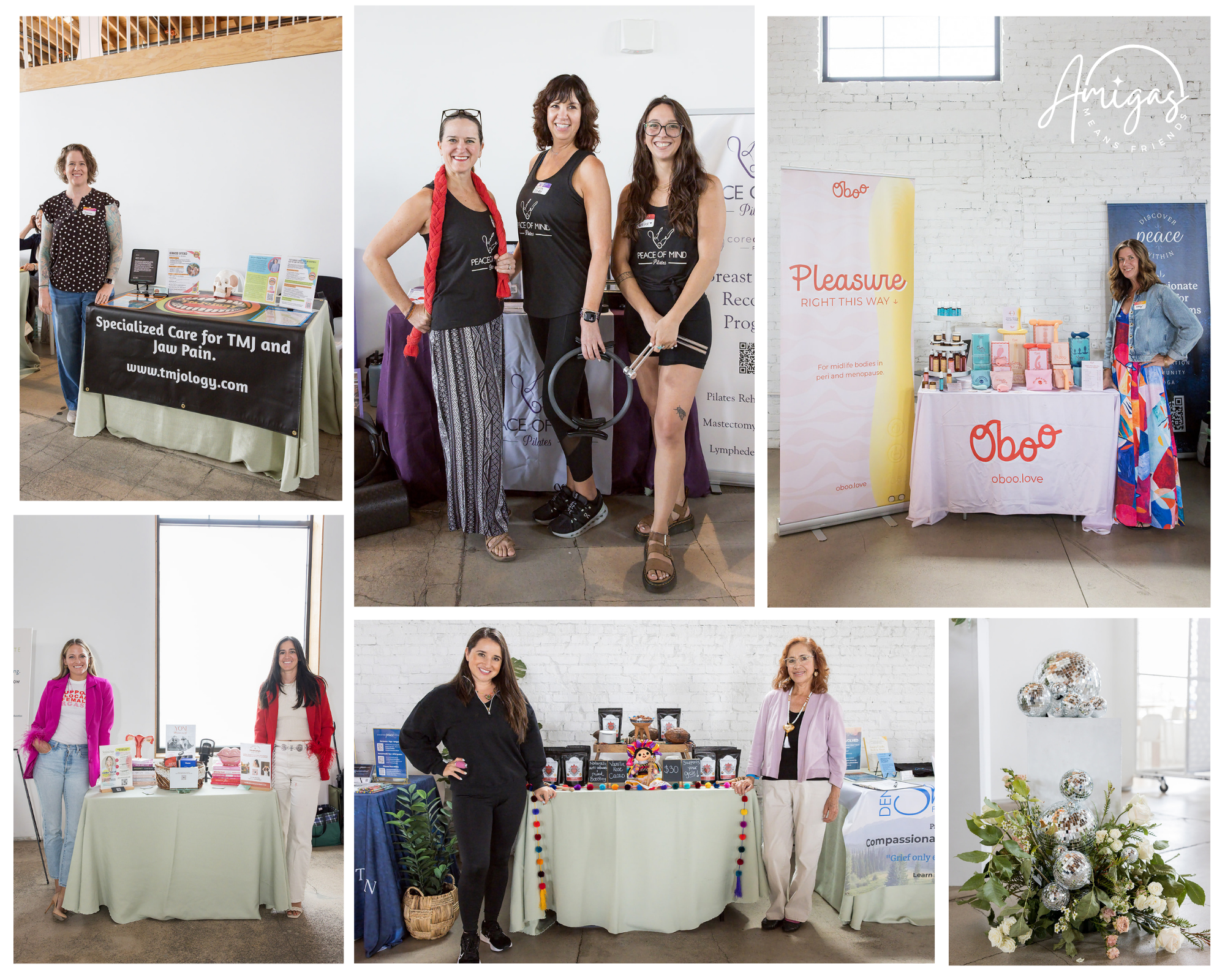
Sarine Planning event photo by Magnolia Pine Studios
What It Means to Build a Conference From NYC
There is a particular kind of challenge that comes with planning an event from another city.
You can't walk into the venue whenever you want or spontaneously pop by a vendor's location. You can't physically see every detail coming together in real time. So you have to become even more organized.
You have to communicate clearly, document decisions, and trust the people you are working with.
And building any event across cities means learning how to create experiences that feel connected even when the people building them aren't always in the same place.
So, How Do You Actually Build a Conference?
That's what this blog series is going to explore.
The beautiful photos and full room on event day are the part everyone sees.
But behind those moments were months of decisions, conversations, spreadsheets, contracts, speaker coordination, partnership conversations, logistics, marketing, production planning, and problem-solving.
Over the next several weeks, I'll be taking you behind the scenes of how we built this conference—from developing the concept and curating speakers to managing sponsors, producing the event remotely, designing the attendee experience, and everything that happens after the doors close.
Coming Next
02 — Building the People Behind the Conference: Speakers, Sponsors & Partners
How we curated the right mix of experts and brought together sponsors, vendors, and community partners to create a stronger experience.
03 — Designing & Producing the Experience: More Than a Conference Schedule
Why an engaging conference requires thoughtful experience design—and a whole lot of behind-the-scenes logistics, from venue and vendors to timelines, registration, and run of show.
04 — 117 People, One Room: Inside Event Day & Five Lessons I Learned
A look at the moments, conversations, energy, and unexpected pieces that made August 9 what it was—and what I learned from bringing the conference to life.
05 — Why the Work Doesn't End When the Conference Ends
What happens after the doors close: partner follow-up, attendee connection, content, continued conversations, and building what comes next.
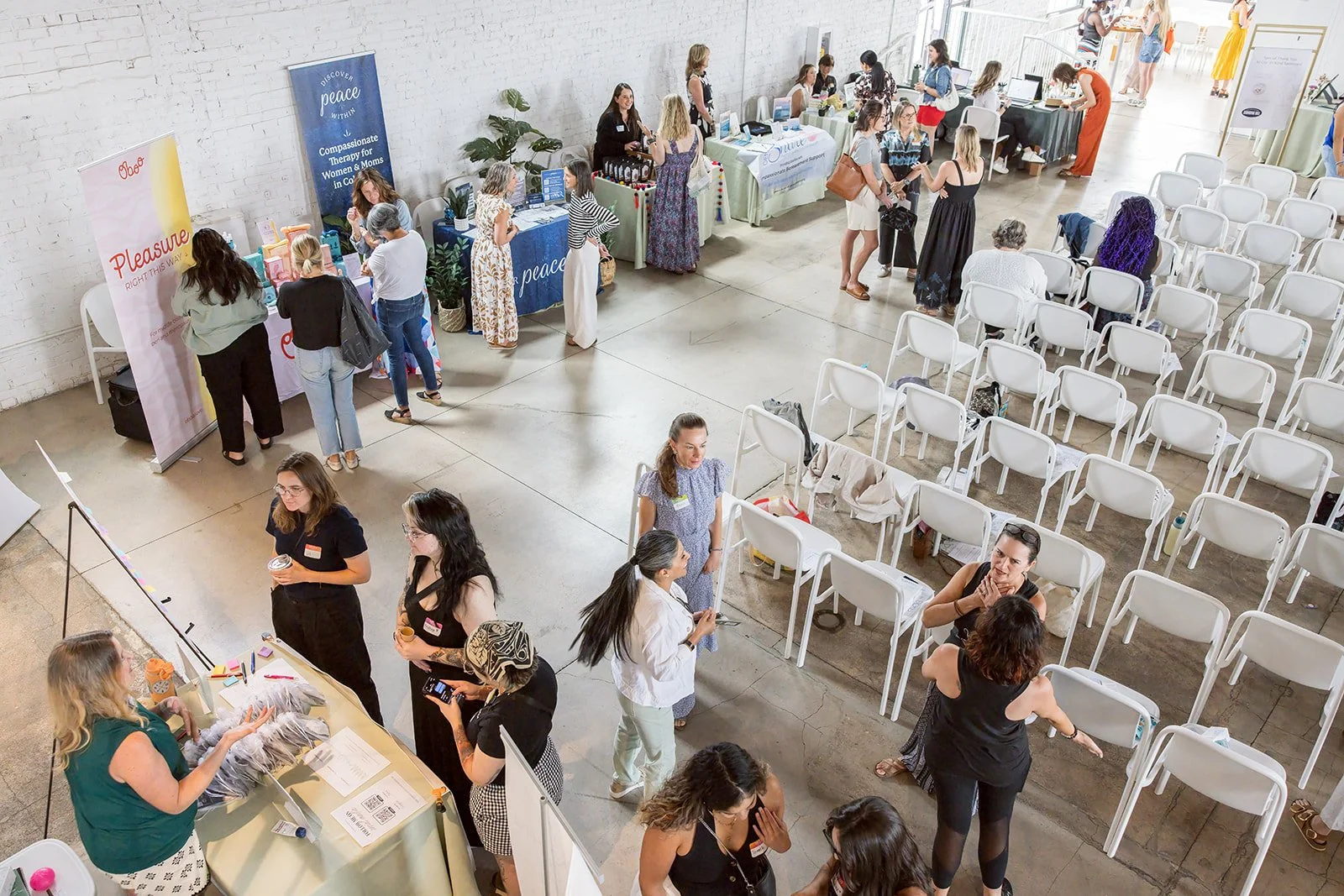
Sarine Planning event photo by Magnolia Pine Studios
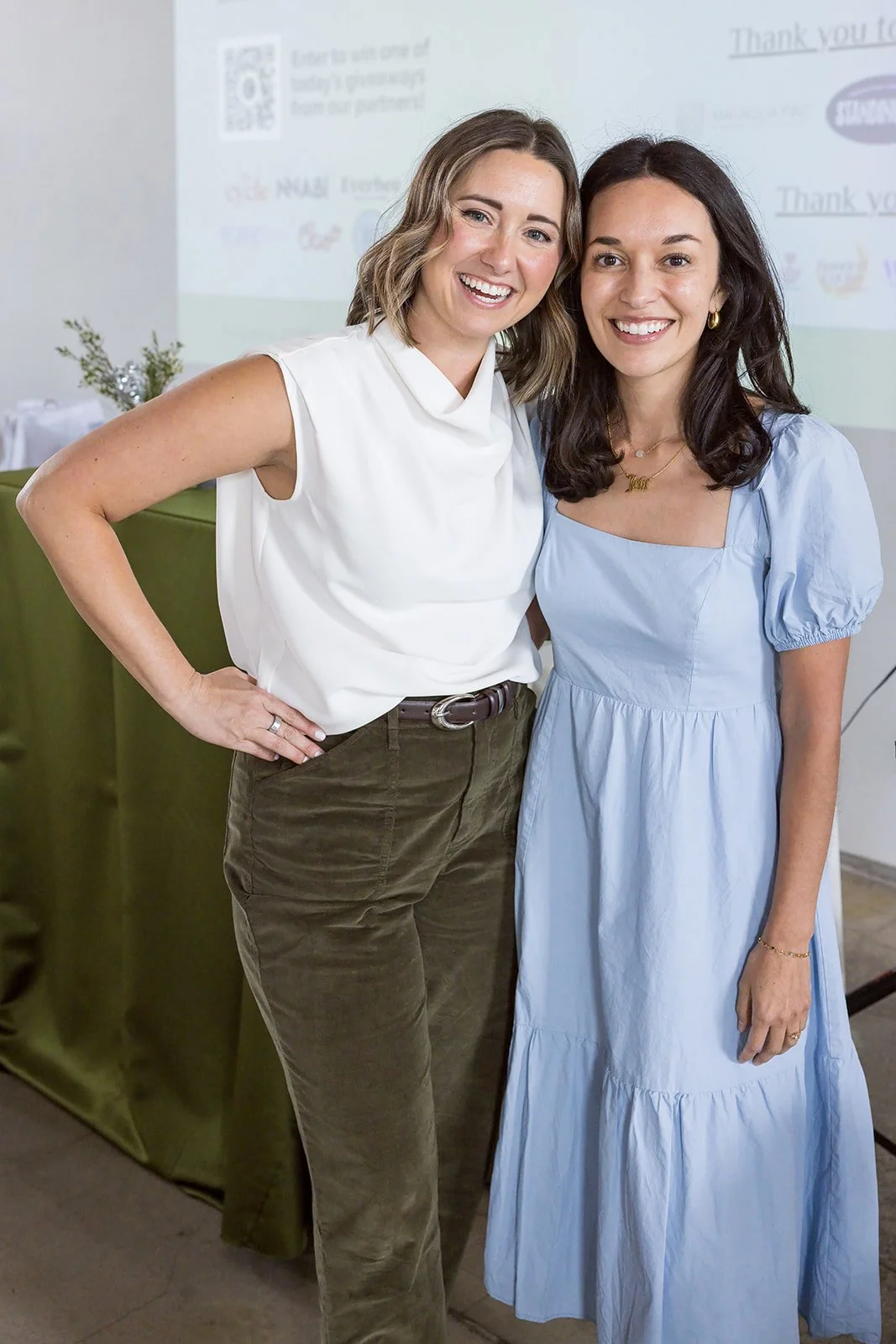
Amelia May of Sonder PT photo by Magnolia Pine Studios
The Conference Was One Day. The Work Continues.
A successful event isn't only measured by what happens while the doors are open.
It's measured by the conversations that continue afterward.
The introductions that turn into relationships.
The questions that lead someone to seek out a new provider.
The speaker who connects with someone in the audience.
The vendor who meets a future customer.
The attendee who leaves with one piece of information that changes how they understand their own body.
That's the kind of experience we wanted to create with the Amigas Cycle Conference.
And that's the kind of event I want to keep building.
120 people came together in Denver. The next chapter is figuring out where the conversation goes from here.
Upcoming Amigas Means Friends events → Explore
Work with Sarine Planning → Learn More