The People Behind the Conference: Speaker Curation, Event Partnerships & Programming
Sarine Planning photo by Brooke Cerny, Magnolia Pine Studios
Behind the scenes of how we curated the speakers, sponsors, vendors, and community partners for the Amigas Cycle Conference in Denver.
When people think about planning a conference, they often picture the venue first.
Then the stage.
Then the schedule.
Then the speakers.
But from my perspective as an event planner, one of the earliest—and most important—questions is much simpler:
Who needs to be in the room?
For the inaugural Amigas Cycle Conference, that question shaped almost every part of the planning process.
We weren’t simply looking for people with impressive credentials. We were looking for people who could contribute something different to the conversation, complement one another’s expertise, connect with the audience, and ultimately make the experience more valuable.
Because a great conference isn’t simply a collection of great speakers.
It’s a carefully curated ecosystem of people, perspectives, and ideas.
Here’s how we built ours.
Why We Created the Amigas Cycle Conference
Amigas Means Friends was created around a simple belief: Women need spaces to meet one another, build relationships, share resources, ask questions, and learn from people who have walked different paths.
As we built the this community, conversations around women's health kept coming up.
Menstrual pain. Hormones. Fertility. Pregnancy. Postpartum. Pelvic health. Perimenopause. Menopause.
And all of the questions that come with them.
Often times, these experiences are treated as individual or isolated issues. We wanted to create a space that looked at the bigger picture.
The Amigas Cycle Conference was designed to bring different experts and stages of the women's health journey into the same room.
Not to tell women what their experience should look like, but to give them more information, more resources, and more people to turn to when they have questions.
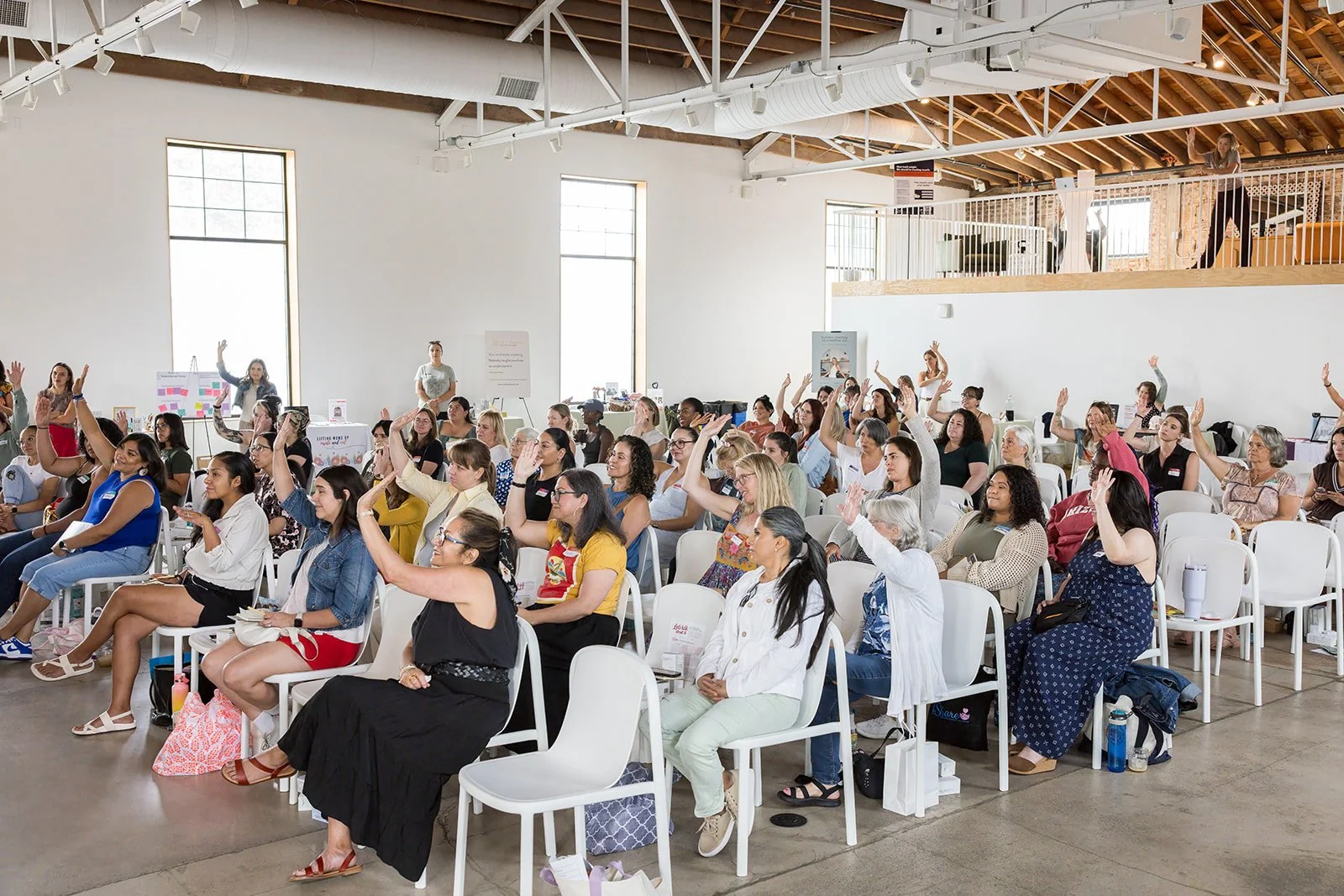
Photo by Brooke Cerny, Magnolia Pine Studios
Start With the Conversation, Not the Speaker
One of my favorite parts of event planning is building the programming.
And I don’t think programming should start with:
“We need four people for a panel.”
It should start with:
“What do we want people to understand when they leave this conversation?”
That distinction changes everything.
For the Amigas Cycle Conference, we knew we wanted to create a full-day conversation about women’s health—but we didn’t want every session to approach the topic from the same perspective.
We wanted to look at different stages of the women’s health journey and bring together professionals with different areas of expertise.
That led us to three major programming conversations:
From Pain to Understanding: Rethinking the Menstrual Cycle
This panel brought together perspectives across pelvic health, cycle education, nutrition, and women’s wellness.
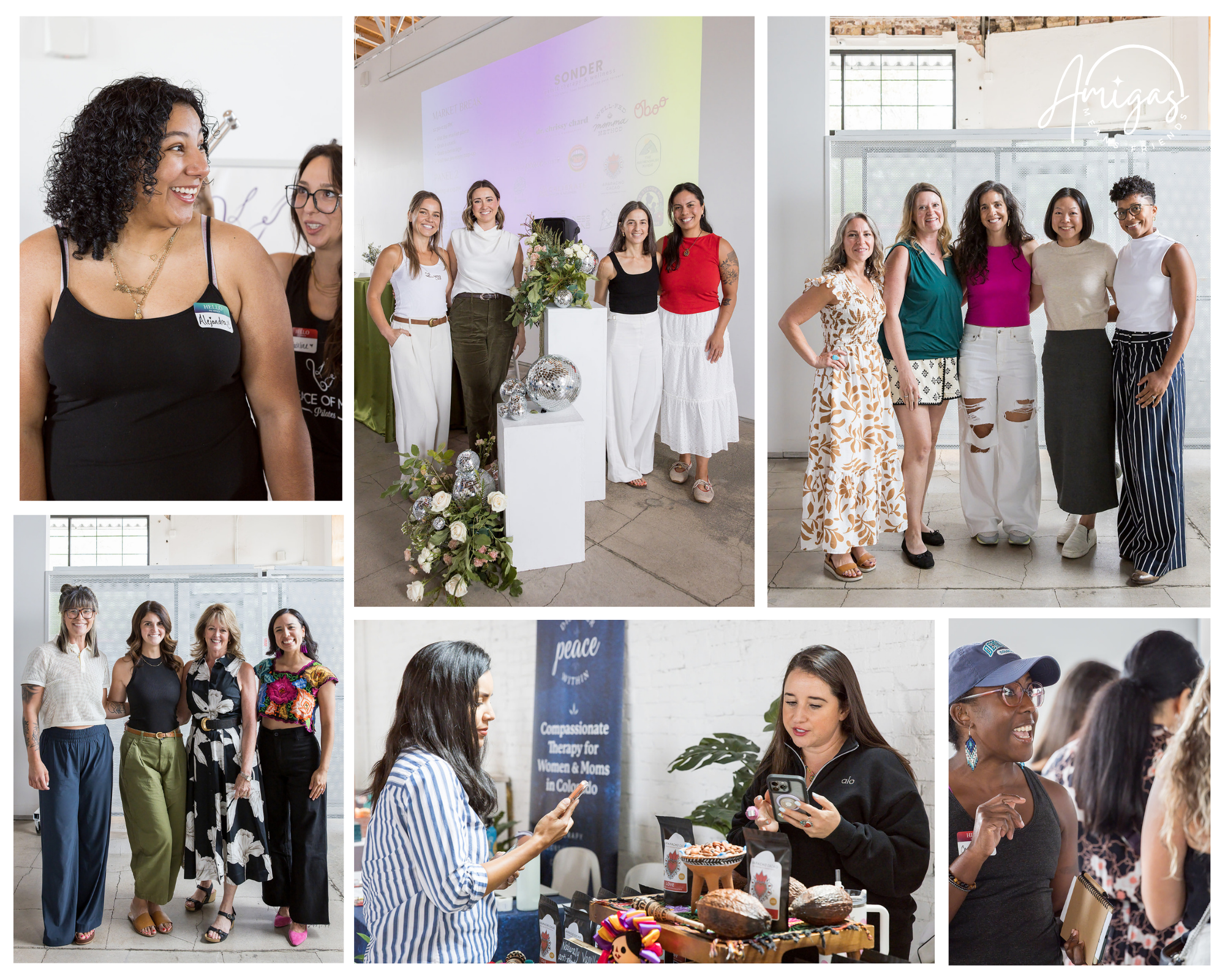
Amelia May — Sonder PT
Lizbeth Santana — Bonded Cycles
Katlyn Tekoppel — The Wellness Lab
Margo Harrison — WaveBye
Fertility, Postpartum & Early Motherhood Transition
For this conversation, we brought together expertise spanning motherhood, postpartum support, fertility, and wellness.
Christine Van Anderson — The Strong Mom Collective
Kathleen Kennedy — Denver Share
Erika Perez — Sacred Womb Therapeutics
Lauren Mallers — Calibrate Health & Wellness
Perimenopause & Menopause: Rewriting the Narrative of Midlife
The final conversation brought together professionals working across movement, mental wellness, parenting, and menopause support.
Marci Perry — Sustainable Movement
Ilene Gold — Discover Peace Within
Jen Wu — Harpeony
Dr. Chrissy Chard — Courageous Parents
Suzanne Greiner — The Peri/Menopause Nurse
The goal wasn’t to make everyone fit into the same box.
It was to find the connections between their expertise.
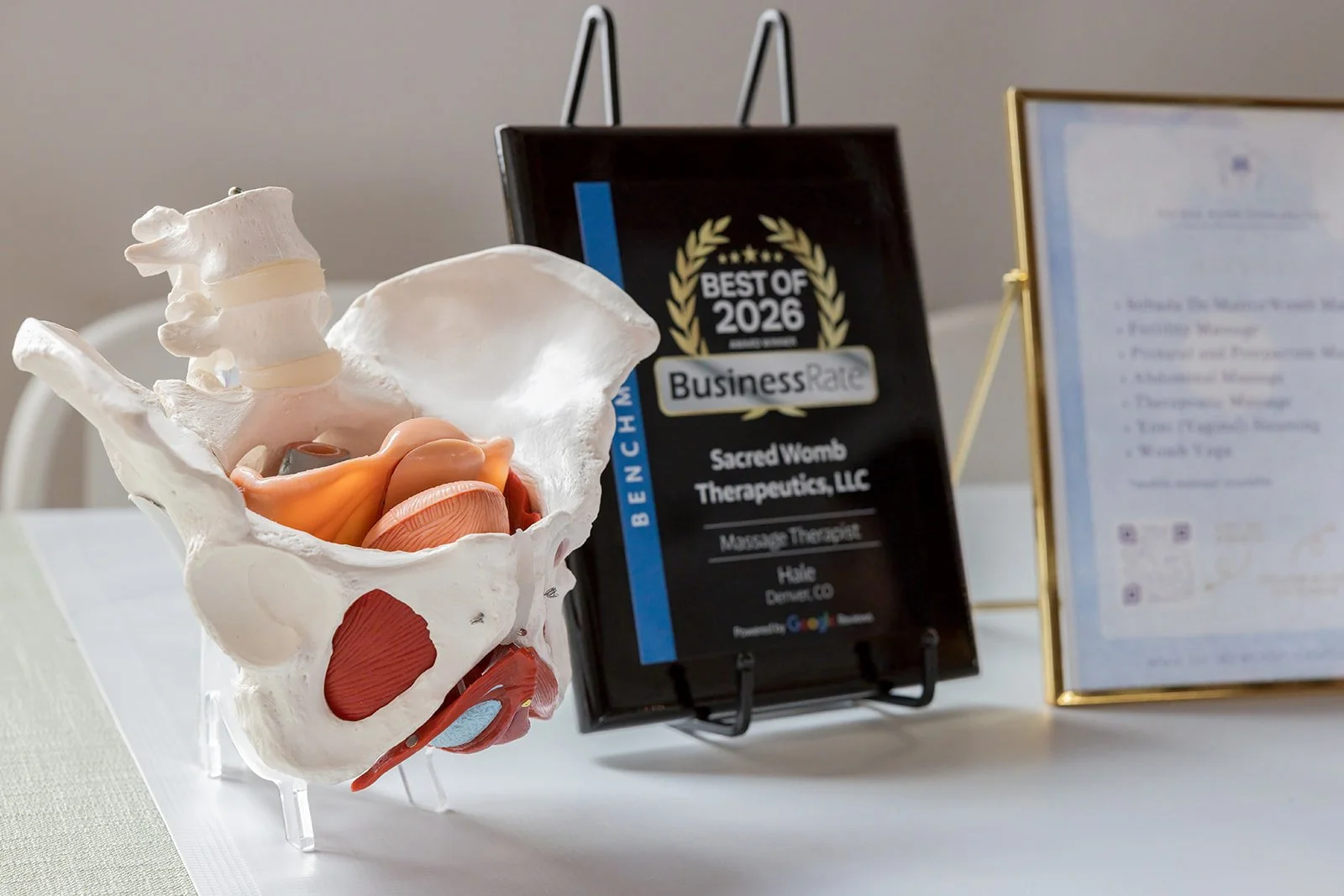
Sacred Womb Therapeutics photo by Magnolia Pine Studios
Curating Across Industries
This is one of the things I love most about event planning.
You can work in completely different industries and still use the same fundamental skill:
Understand the audience. Define the purpose. Find the right people. Build the connections.
For this conference, that meant bringing together people working across:
Physical therapy
Nutrition
Cycle education
Mental wellness
Fertility
Postpartum support
Motherhood
Movement
Menopause
Parenting
Community organizations
No single person could speak to all of those experiences—and that was the point.
A strong conference doesn’t necessarily need everyone to agree or approach a topic in the same way.
It needs different perspectives that create a richer conversation.
That’s true whether you’re building a women’s health conference, a corporate leadership event, a nonprofit summit, or a community gathering.
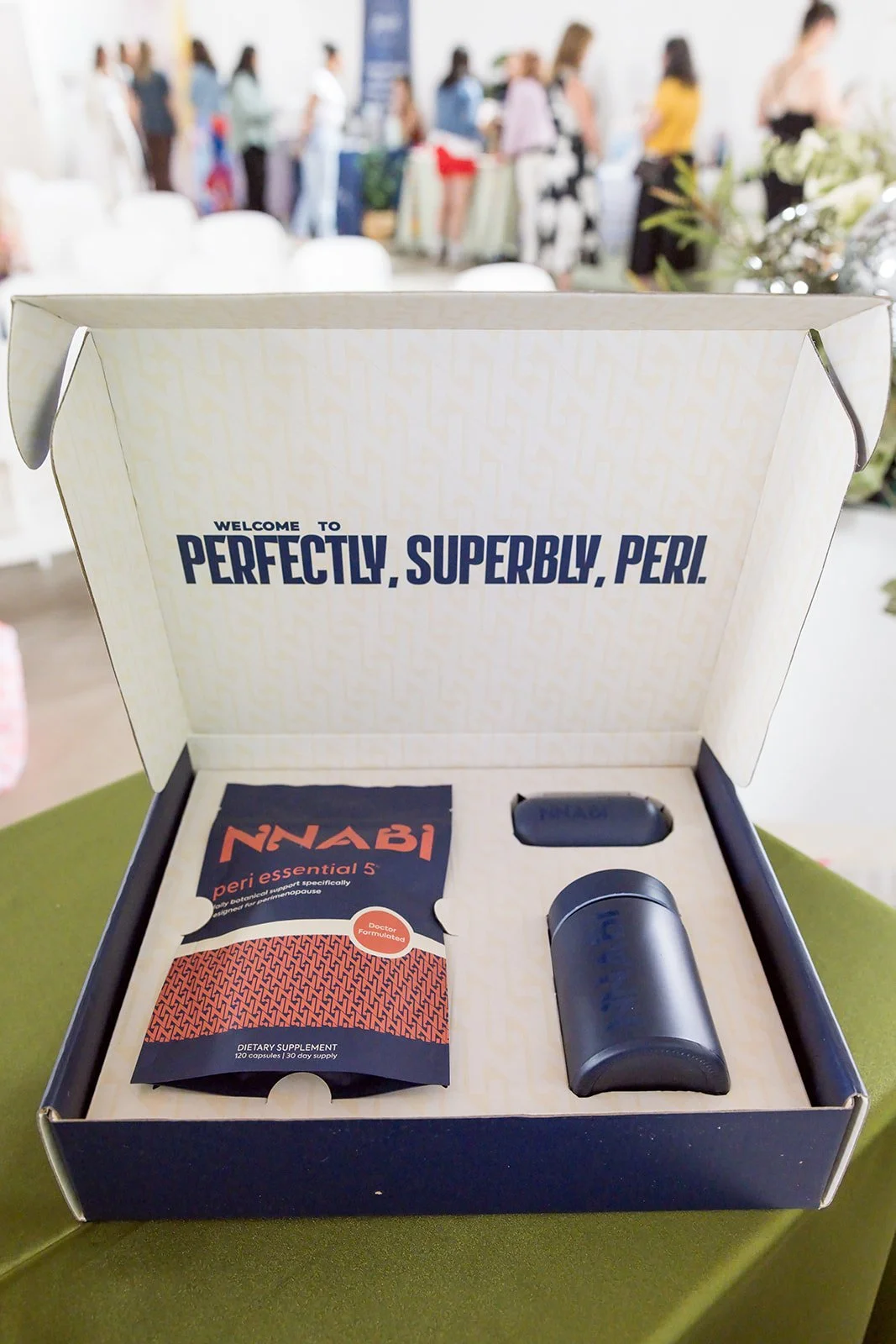
Nnabi photo by Magnolia Pine Studios
Building the Partner Ecosystem
Speakers were only one piece of the puzzle.
We also needed partners who could help us create the larger experience.
That included sponsors, vendors, community organizations, and businesses whose work aligned with the people we wanted in the room.
Our presenting sponsor, Sonder PT, was an especially meaningful partnership because their expertise could be integrated directly into the attendee experience.
Rather than simply placing a logo on a screen, Amelia led a movement and pelvic health experience for our VIP guests.
That distinction matters.
The strongest event partnerships don’t interrupt the experience. They enhance it.
When I think about sponsorship strategy, that’s one of the questions I always come back to:
How can this partnership make the event better for the attendee?
If you can answer that question, you have the foundation for a much stronger partnership.
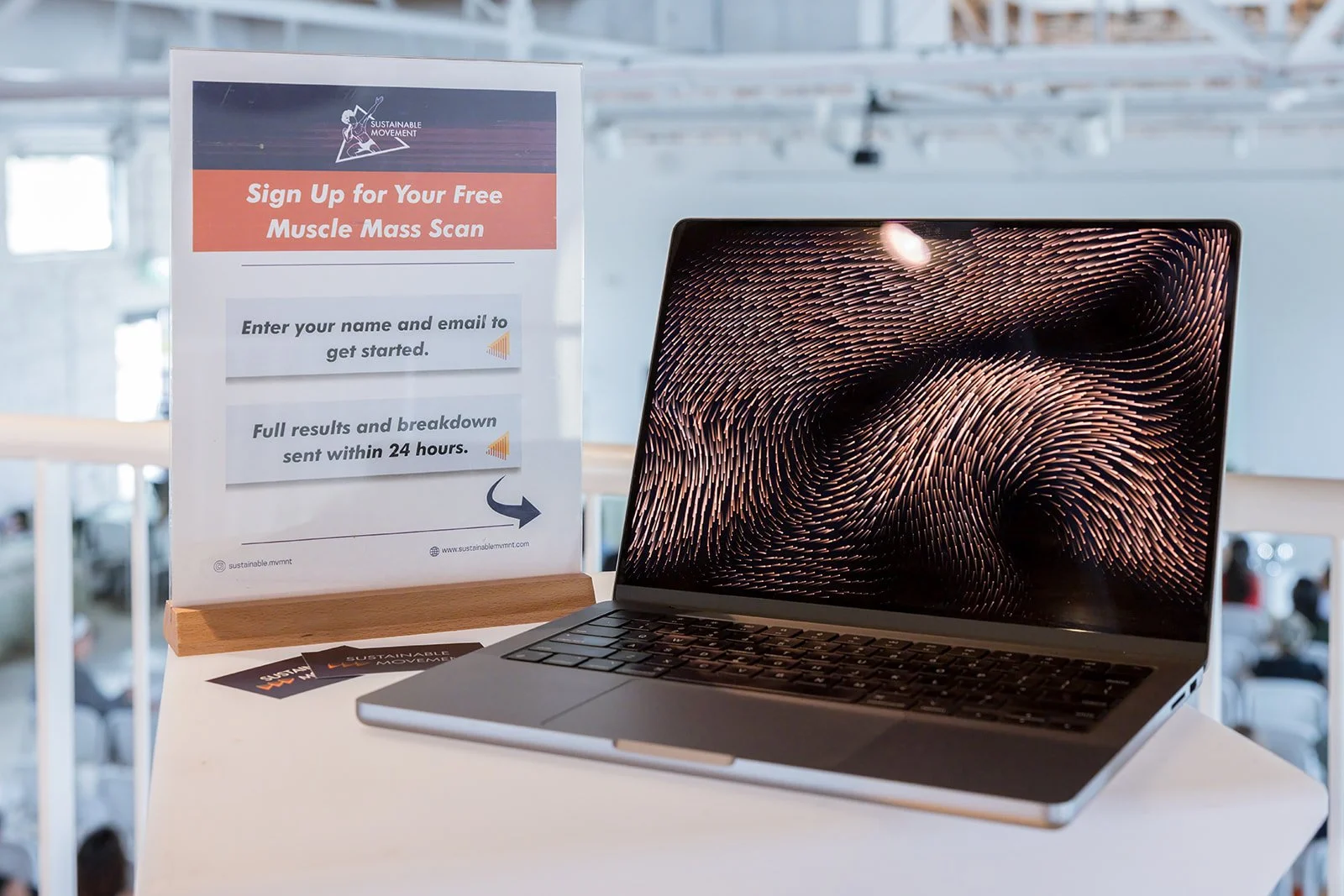
Sustainable Movement photo by Magnolia Pine Studios
The Marketplace: More Than Filling Tables
We also wanted the conference to give attendees opportunities to discover people and businesses beyond the speakers on stage.
Our marketplace included:
TMJology by Jessica Cordell
Apapacho Cacao by Victoria Garcia
Well Fed Mama Method by Mackenzie Mompler
Peace of Mind Pilates by Marisa Oldenfest
Again, the goal wasn’t simply to fill vendor tables.
It was to ask:
Does this business make sense for this audience?
Does it add something to the experience?
Does it give attendees another way to connect with the larger conversation?
That kind of intentional curation is what turns a vendor marketplace into part of the event experience rather than an add-on.
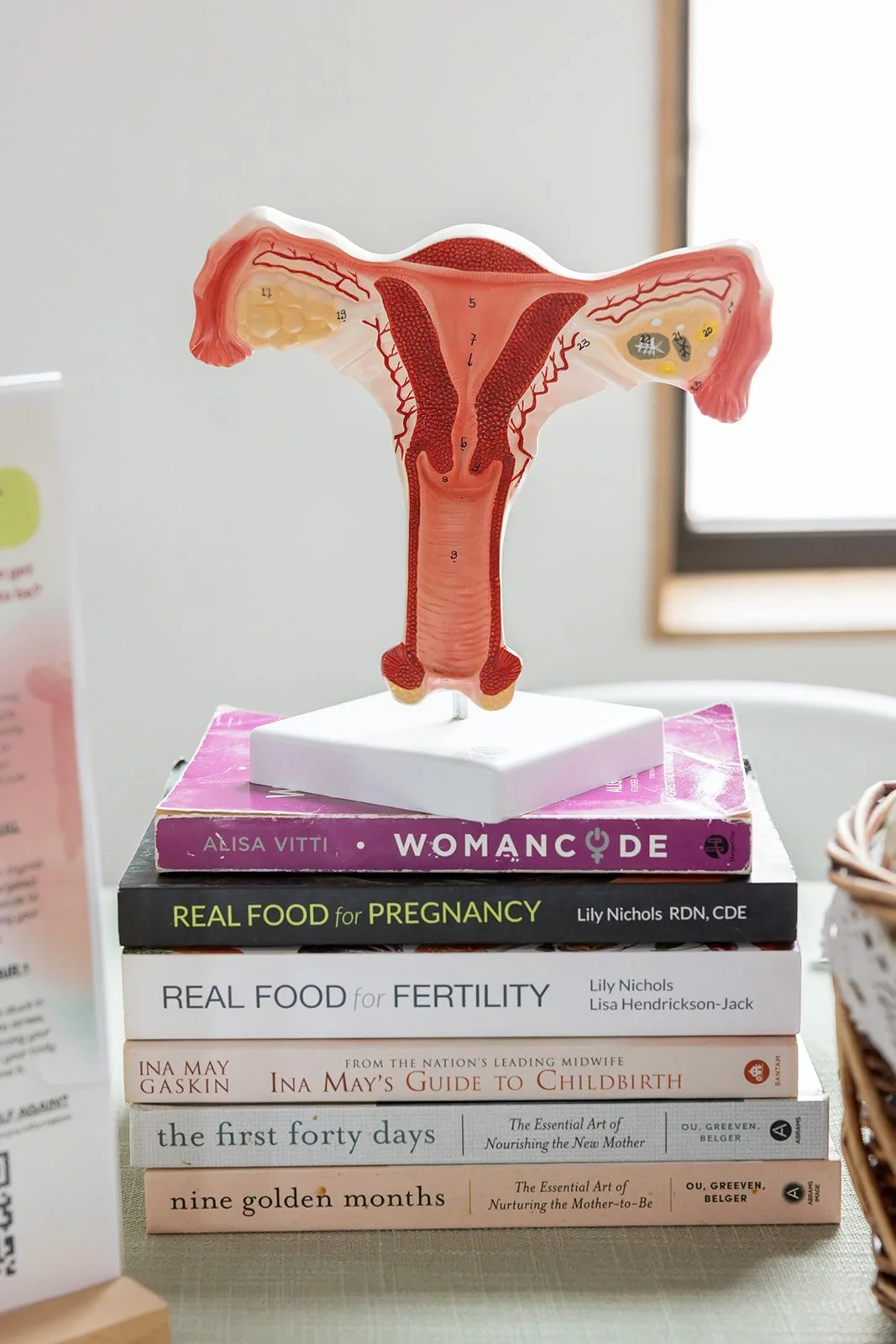
Photo by Magnolia Pine Studios
Building Relationships That Extend Beyond Event Day
One of the biggest things I think about when planning events is what happens after the event.
Because if the only valuable interactions happen while someone is physically standing inside the venue, we’re missing an opportunity.
For the Amigas Cycle Conference, that meant thinking about how attendees could continue connecting with the people they met.
We’re continuing that work through:
Post-event partner introductions
Audience questions submitted for provider follow-up
Event photography and storytelling
This behind-the-scenes blog series
Direct links to our speakers, partners, and vendors
Continued Amigas programming
The conference gave people an introduction.
The goal is to help make it easier for those introductions to become relationships.
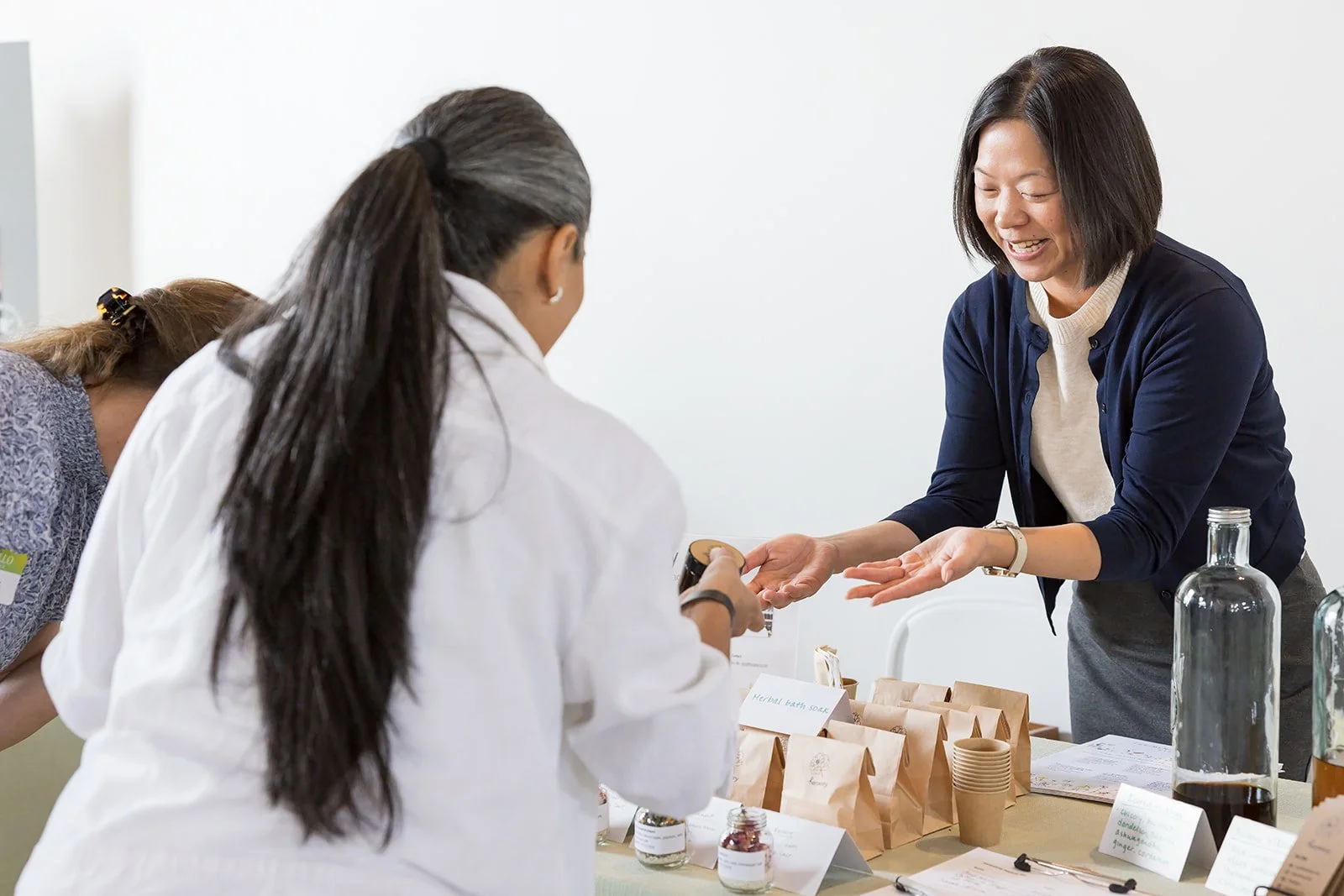
Harpeony photo by Magnolia Pine Studios
What Strategic Event Curation Really Means
When I plan an event, I’m always thinking beyond the agenda.
Who needs to be in the room?
What perspectives need to be represented?
Where are the natural connections between these people?
What does each partner bring to the experience?
What does the audience actually need?
And perhaps most importantly:
How do all of these individual pieces work together to create something that feels intentional?
That’s the difference between filling a conference agenda and curating a conference experience.
The Amigas Cycle Conference brought 120 people into one room, but the room was shaped by so many more people behind the scenes.
The speakers who shared their expertise.
The partners who supported the vision.
The vendors who created opportunities for discovery.
The community members who helped spread the word.
And the team that made all of those pieces work together.
That’s the people behind the conference.
And that’s where great events begin.
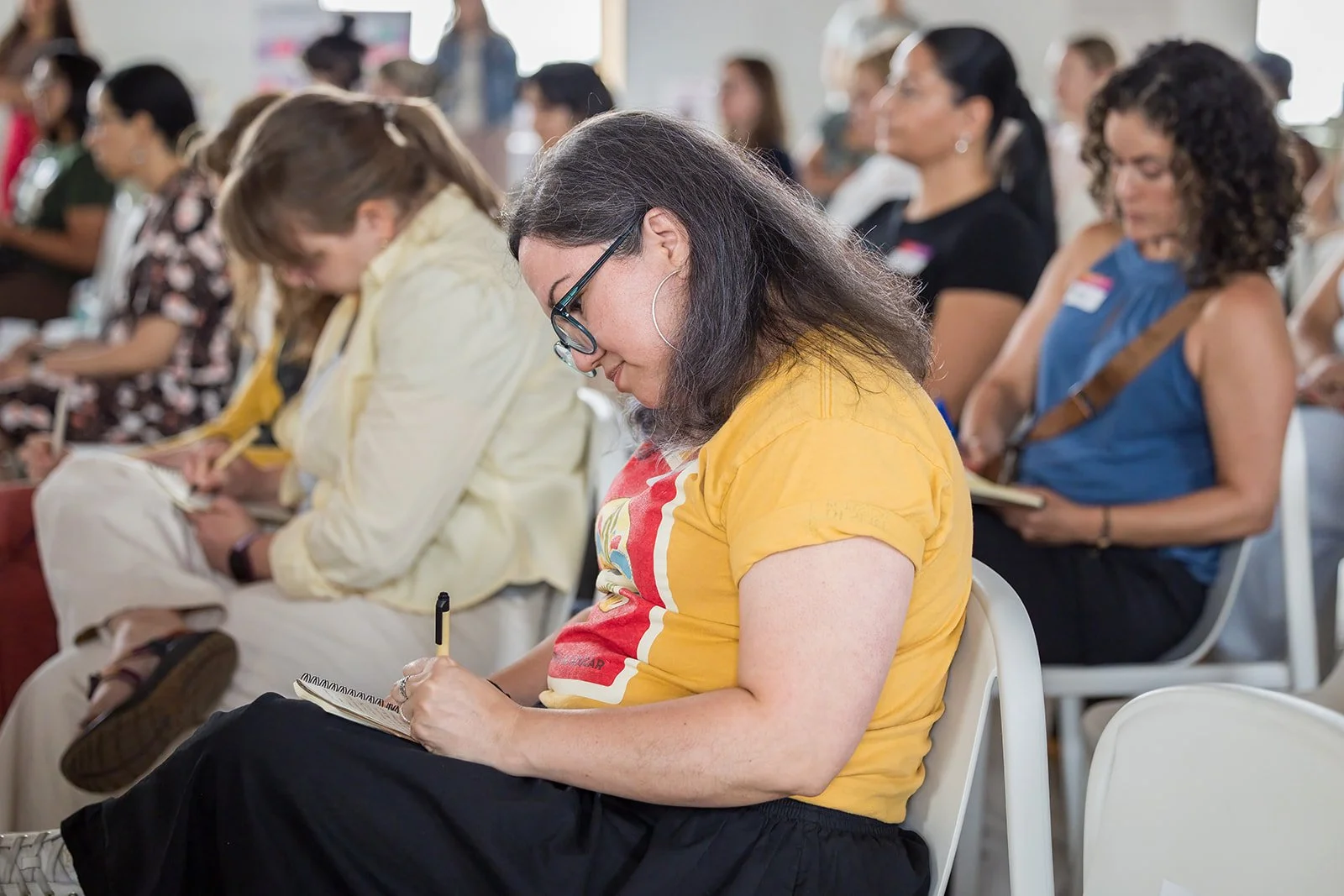
Sarine Planning event photo by Magnolia Pine Studios
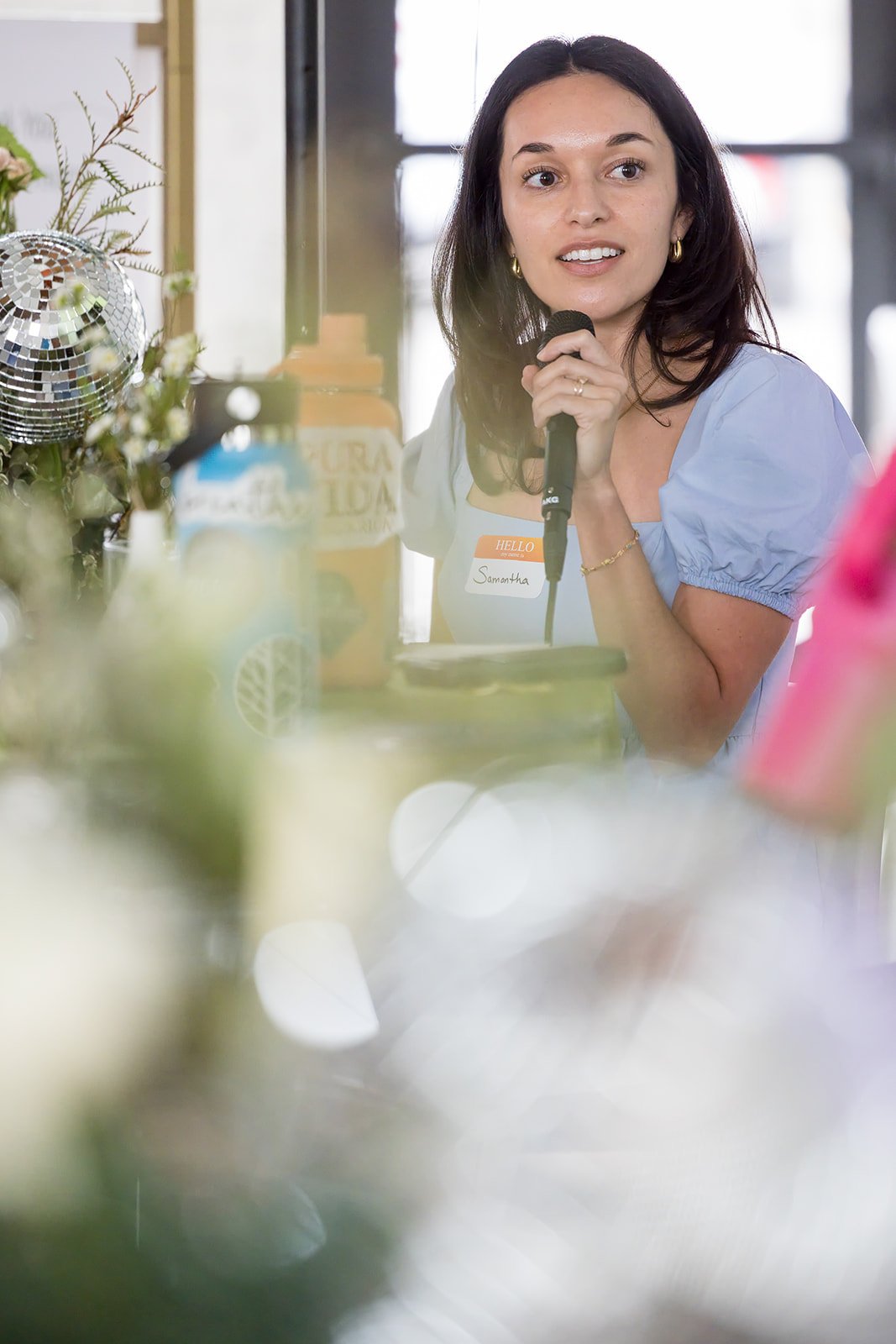
Photo by Magnolia Pine Studios
Continue the Series
This blog is part of How We Built the Amigas Cycle Conference: Behind the Scenes of Planning a Women’s Health Conference in Denver.
Next, we’ll pull back the curtain on another major piece of the puzzle:
How I Planned a Denver Conference From New York City
Because curating the right people is one thing.
Actually bringing all of those people, partners, vendors, and logistics together from 1,600 miles away is another story entirely.
Read Part 1: How We Built the Amigas Cycle Conference
Planning a Conference, Panel, or Community Event?
Sarine Planning helps organizations and brands turn ideas into thoughtful, well-produced experiences—from conferences and panels to corporate gatherings, retreats, and community events.
Let’s build something intentional.
Work with Sarine Planning → Learn More
Upcoming Amigas Means Friends events → Explore